

Our Shetland Wool Collection!

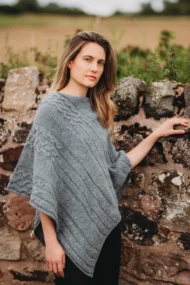
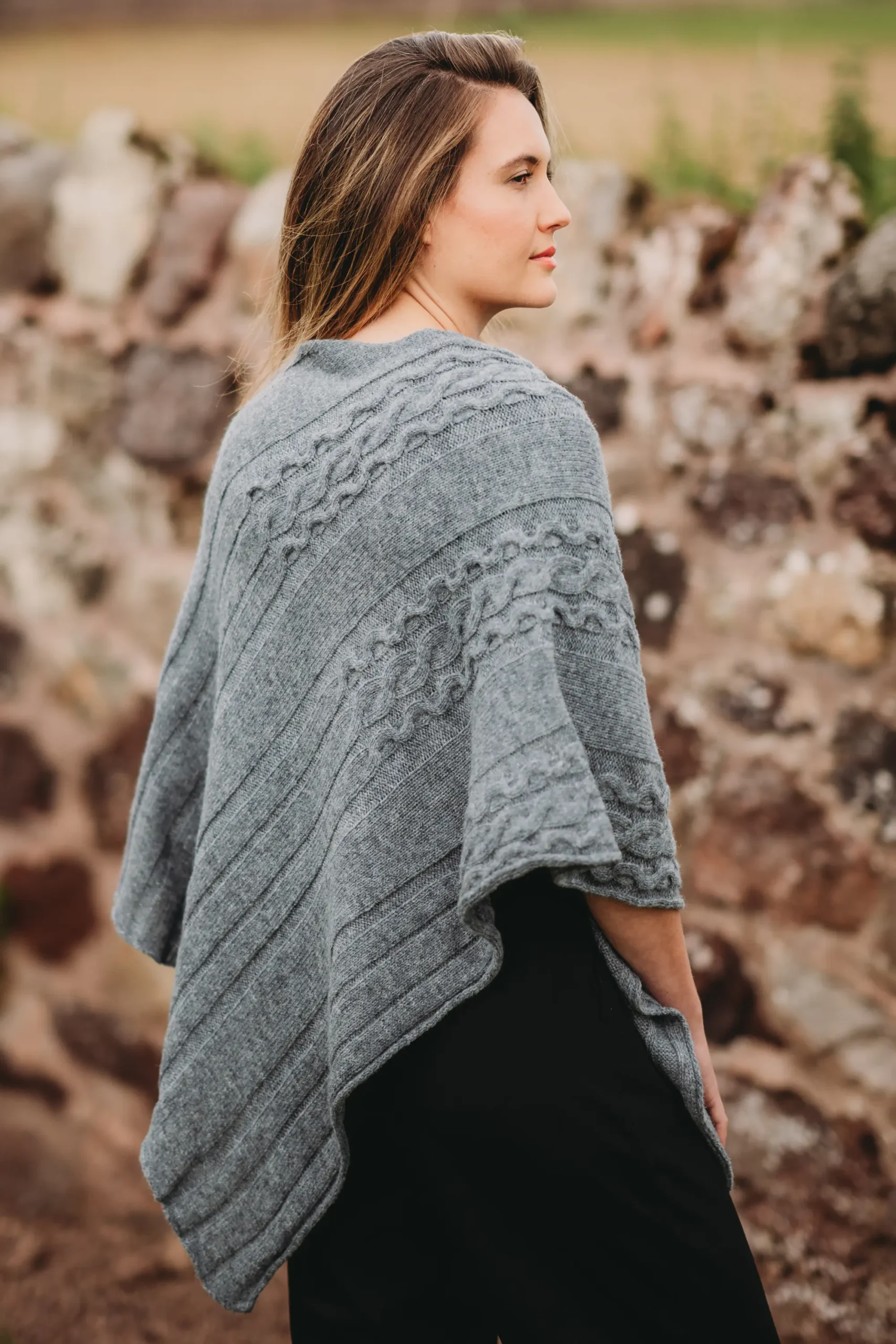
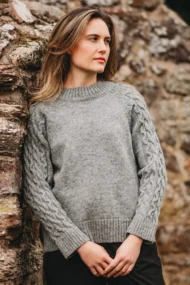
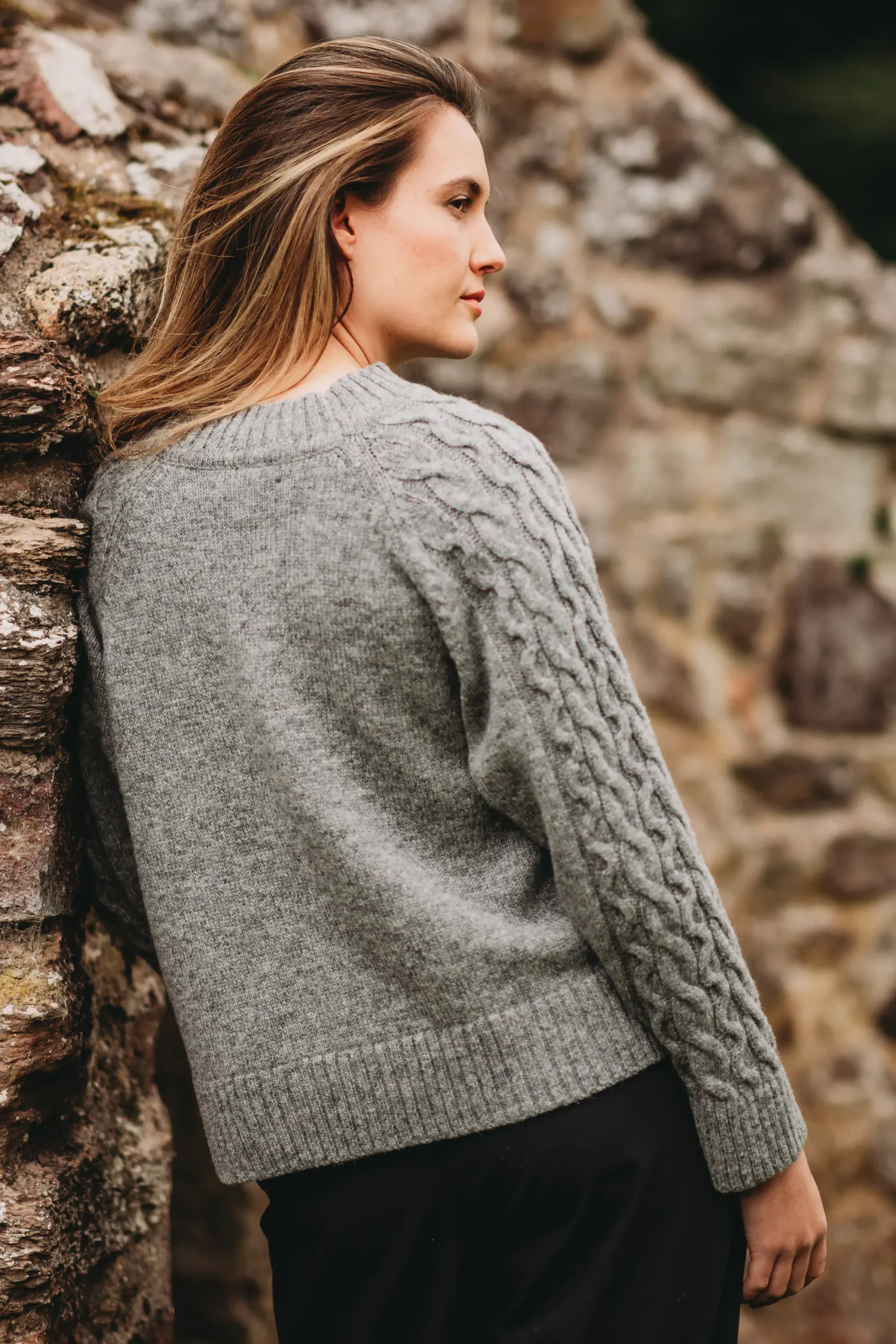
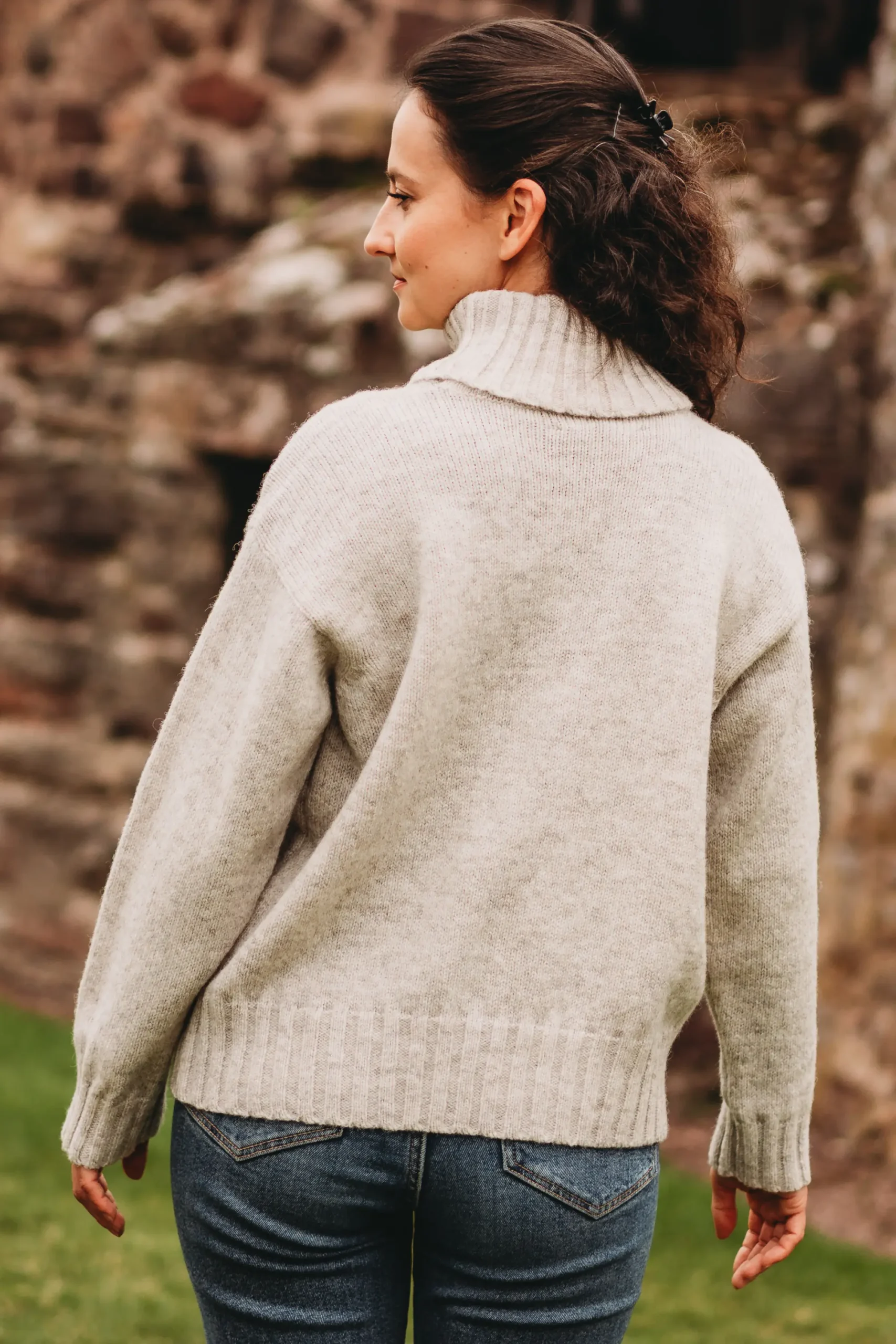
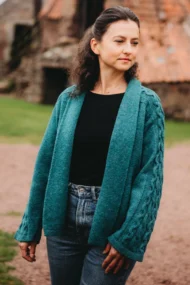
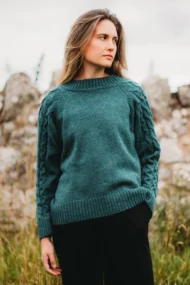
For years we’ve been asked if we have any Scottish wool in our collection, and for a few decades we haven’t, but 2025 is the year that we are excited to re-introduce Shetland Wool to Bill Baber Knitwear!
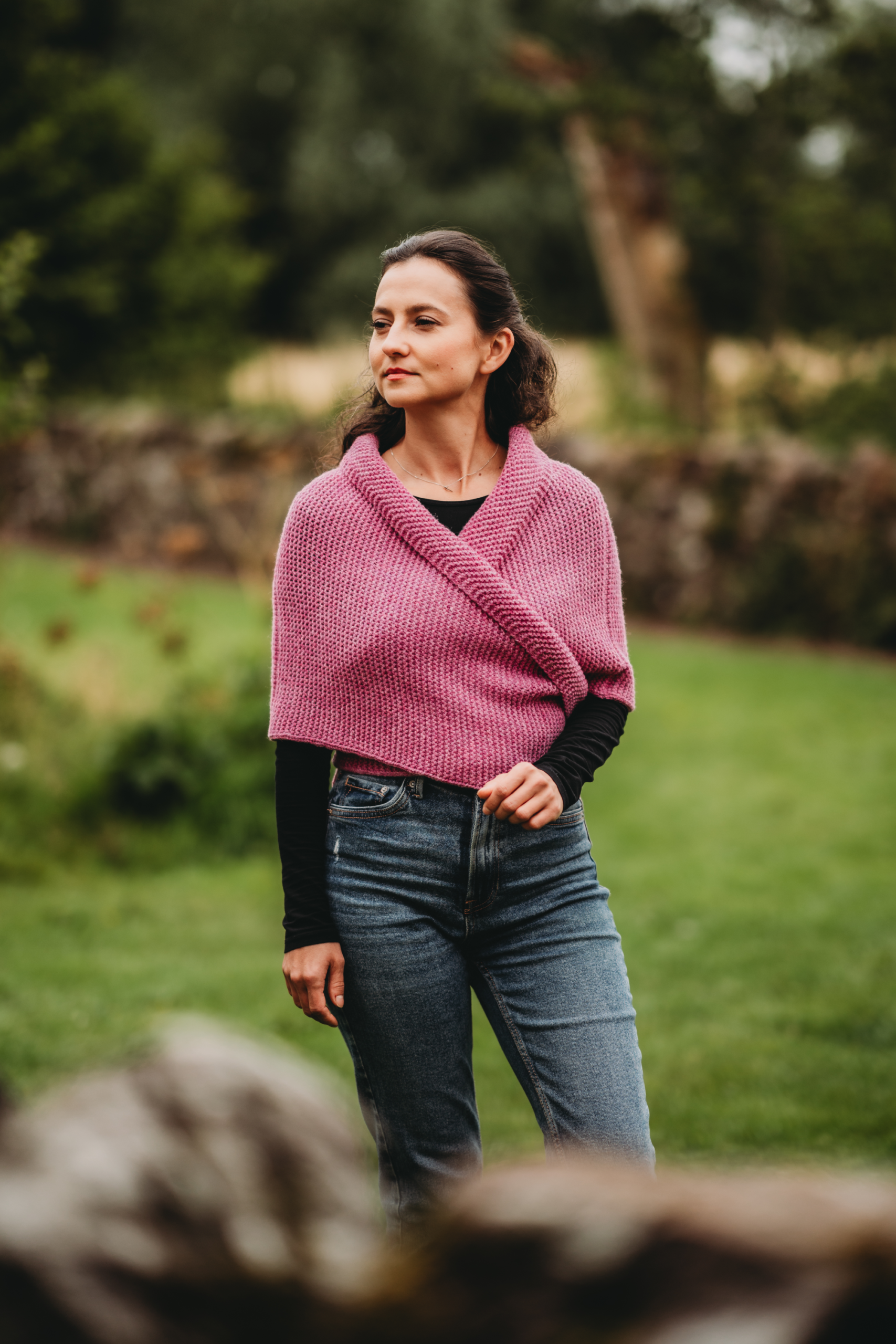
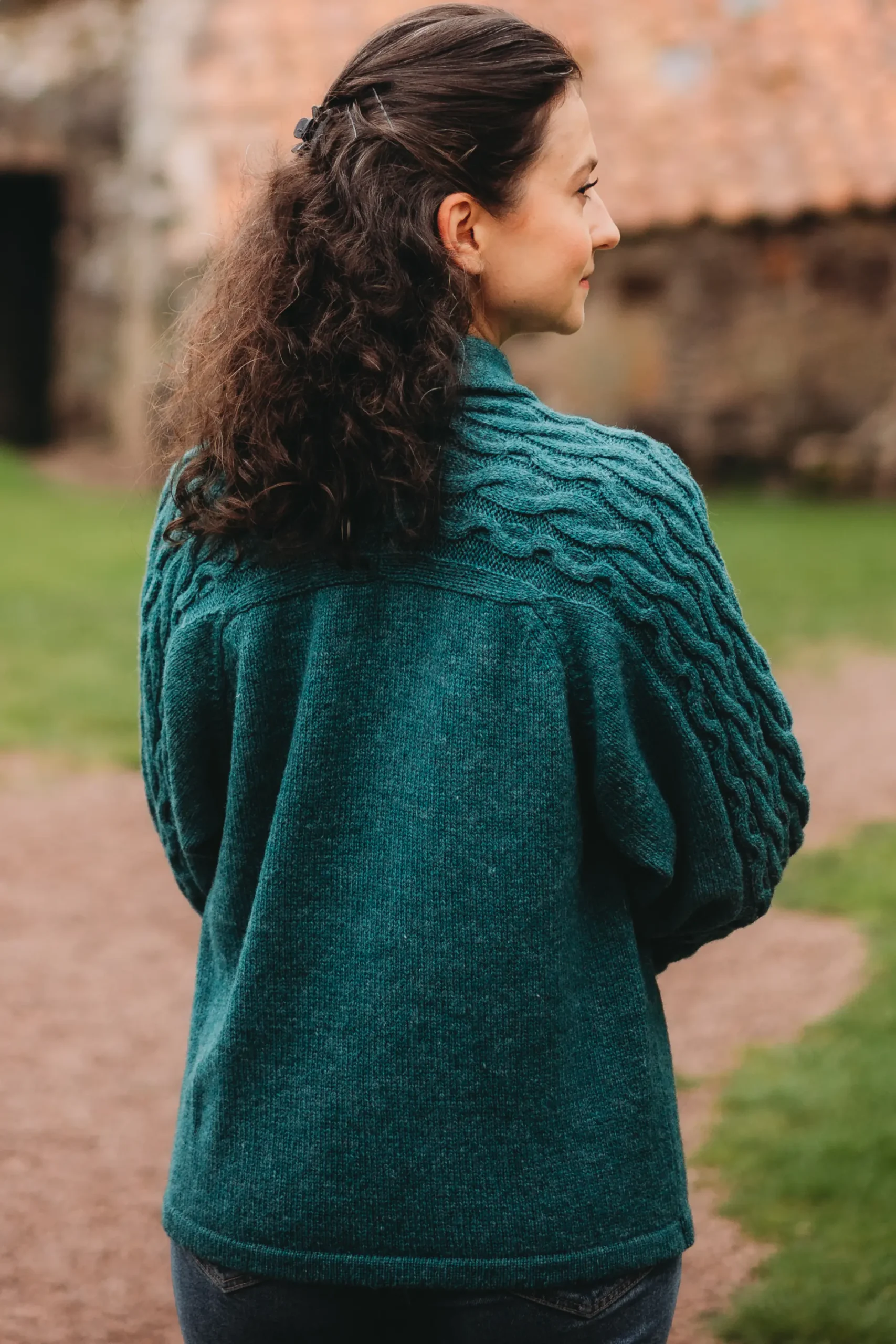
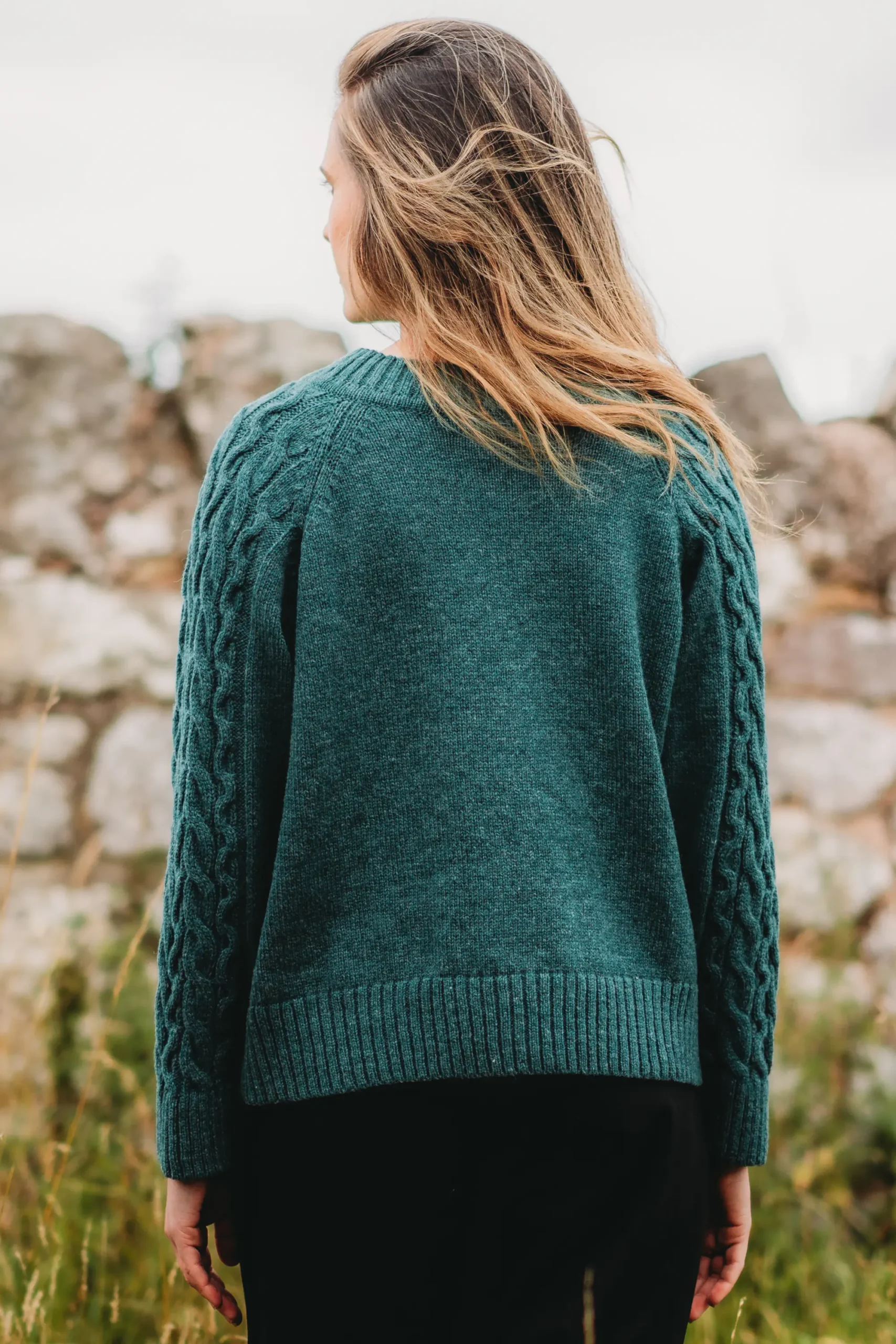
We’ve taken our time picking a yarn that offers a soft finish with a gorgeous drape and bounce. Plus we’re thrilled to be offering you a range of new colours with soft blues, earthy browns, sea greens, flinty greys, rich russets, creamy neutrals, forest greens, thistle purple shades and fresh pinks.
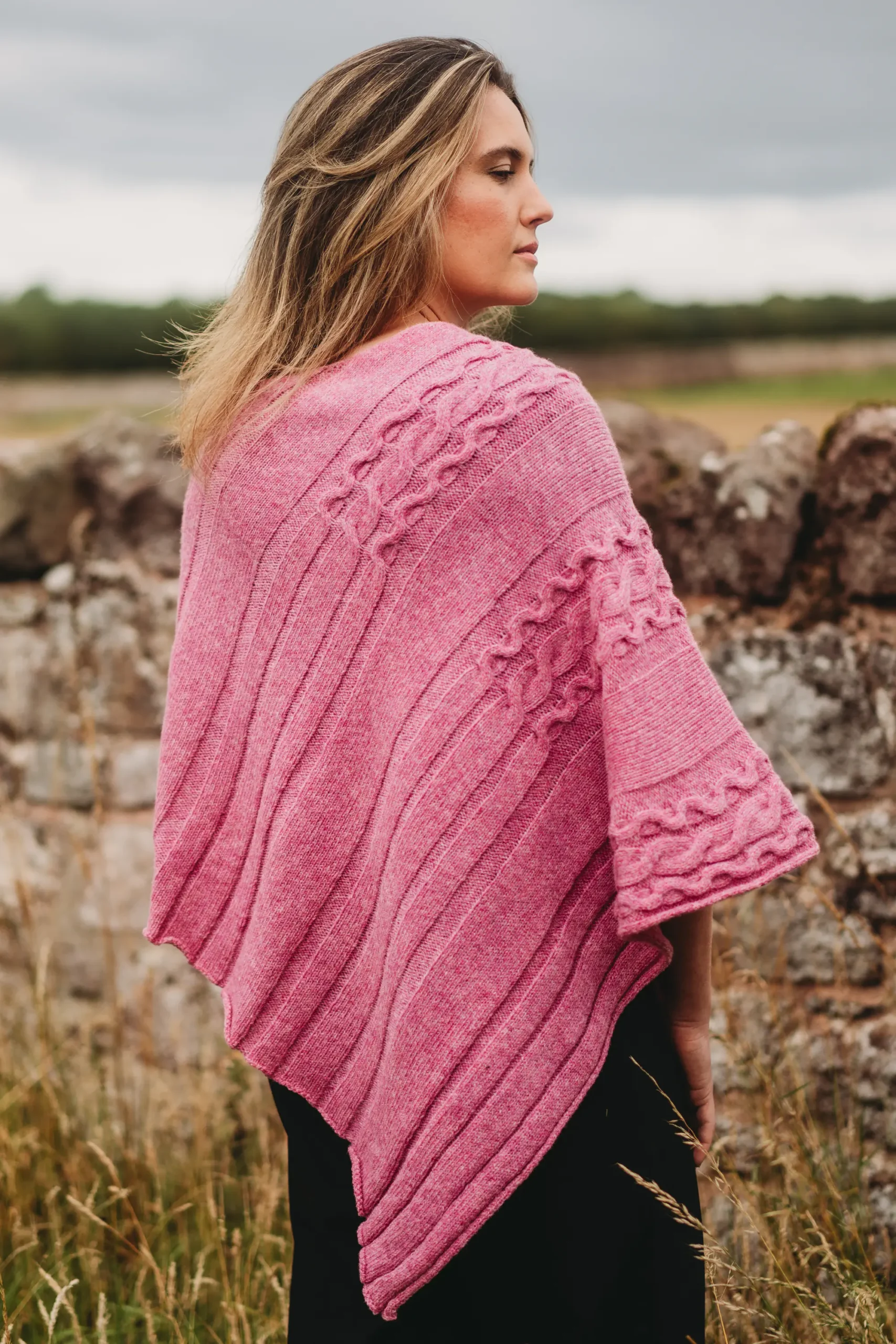
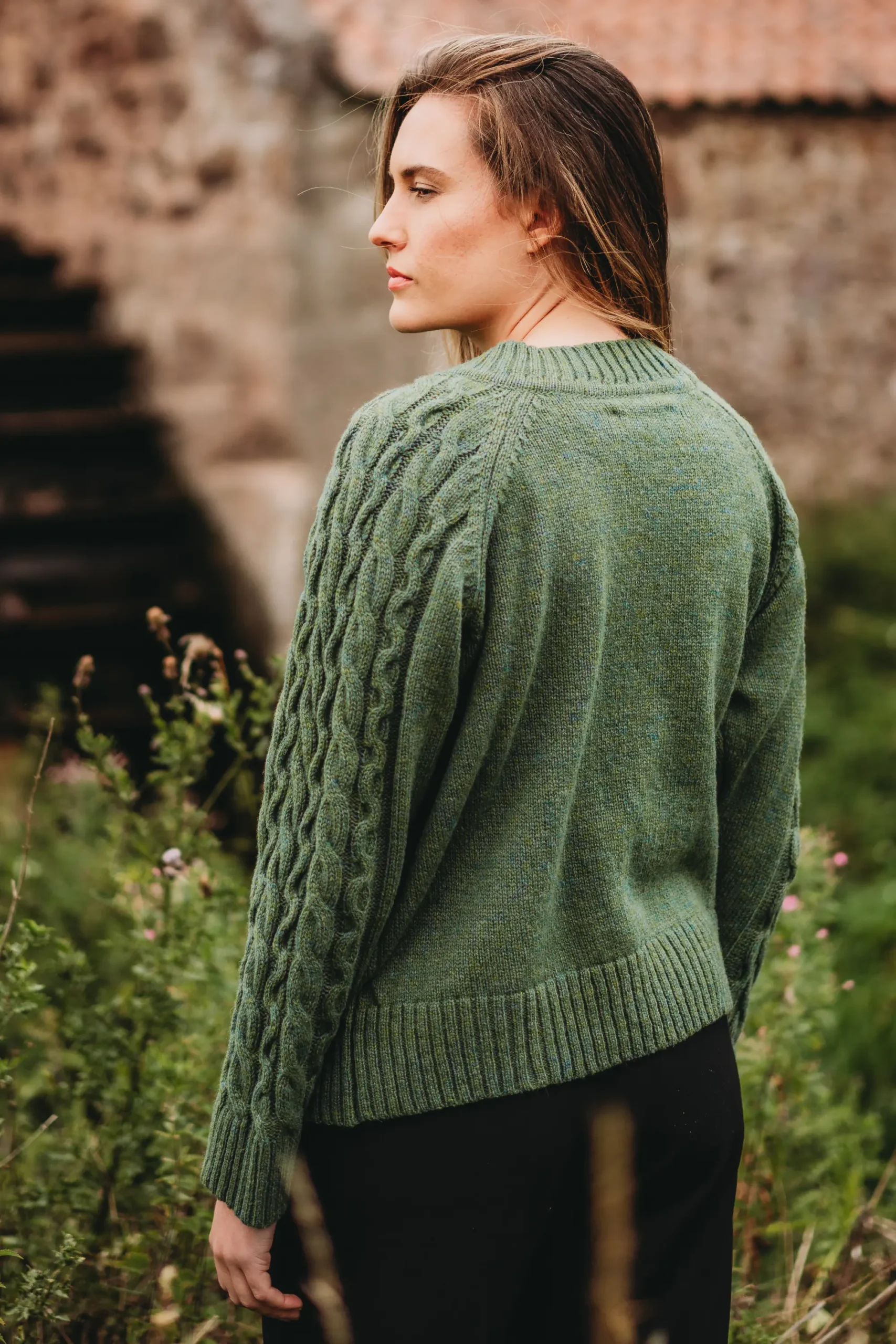
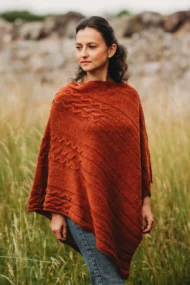
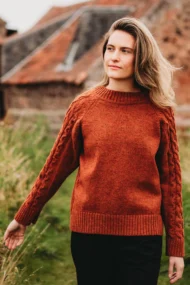
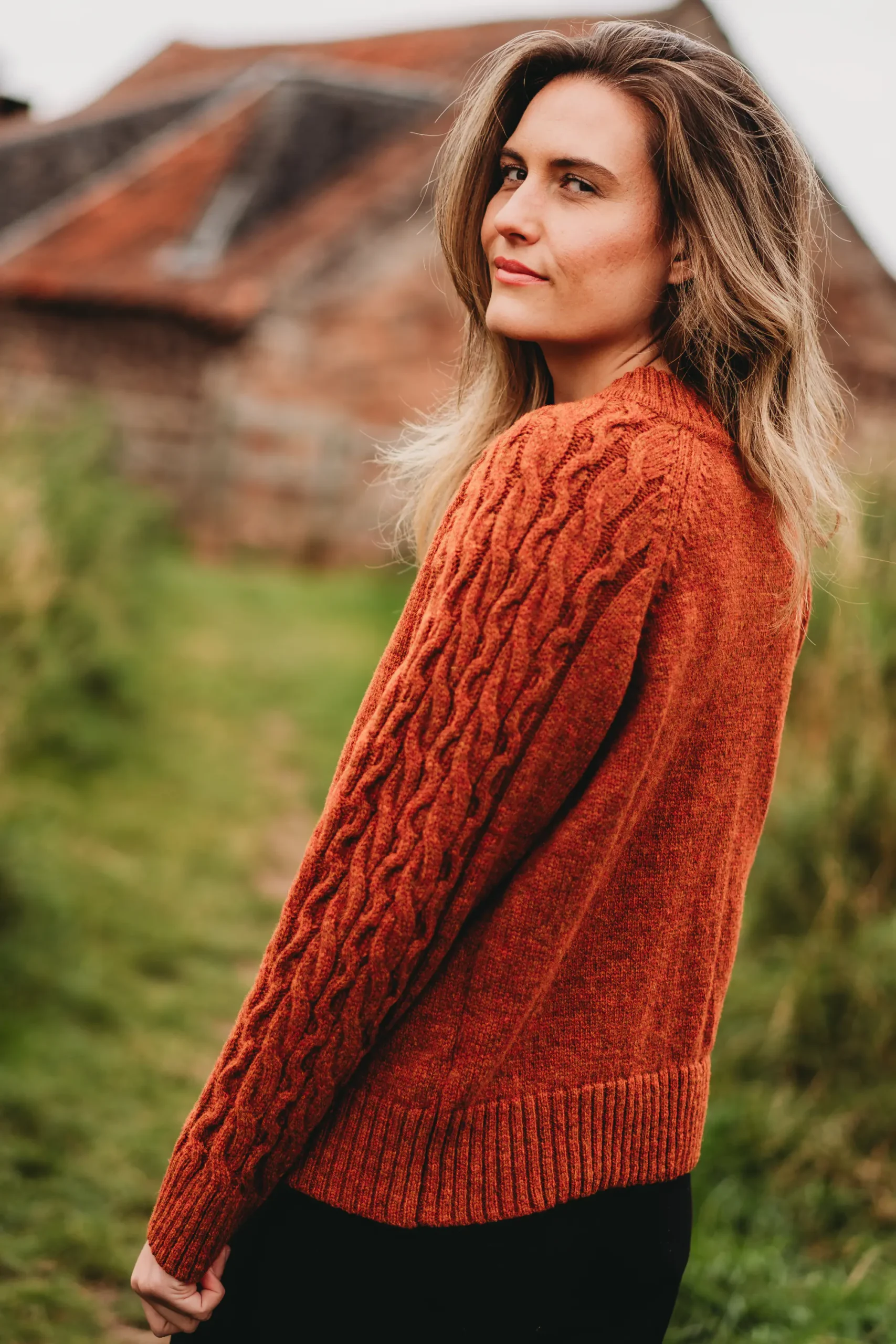
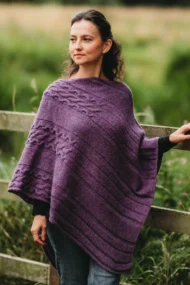
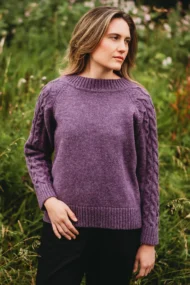
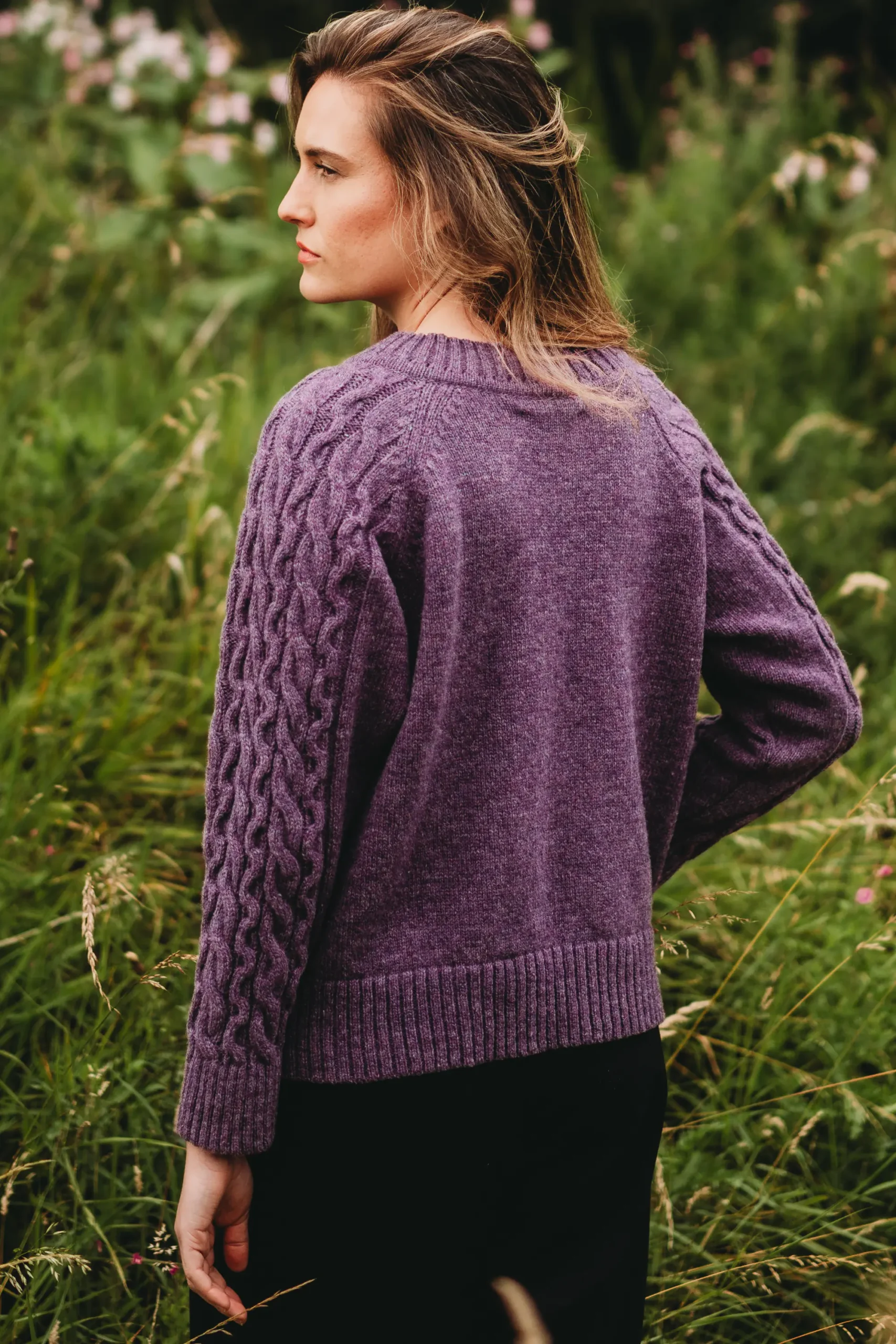
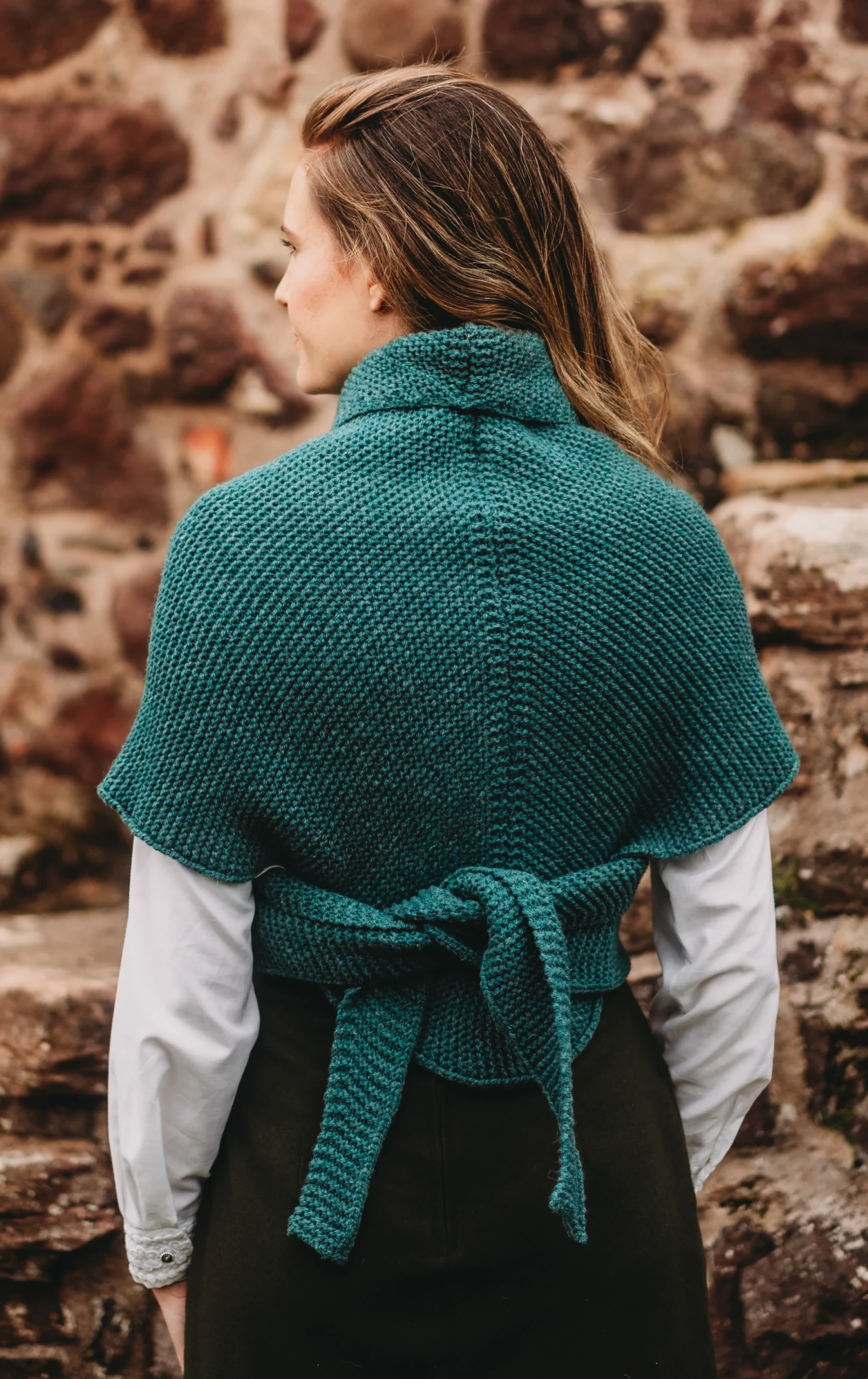
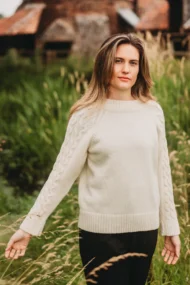
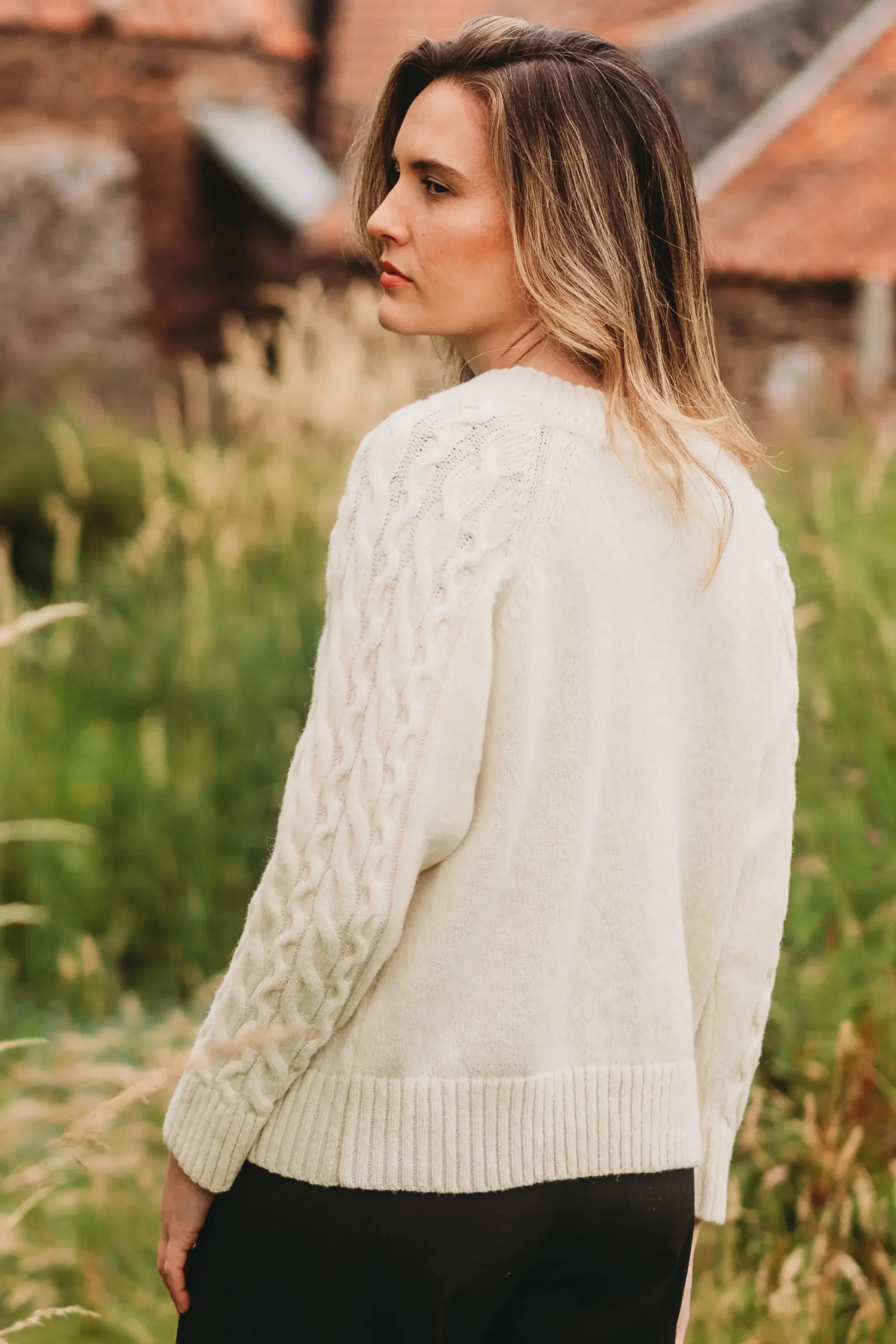
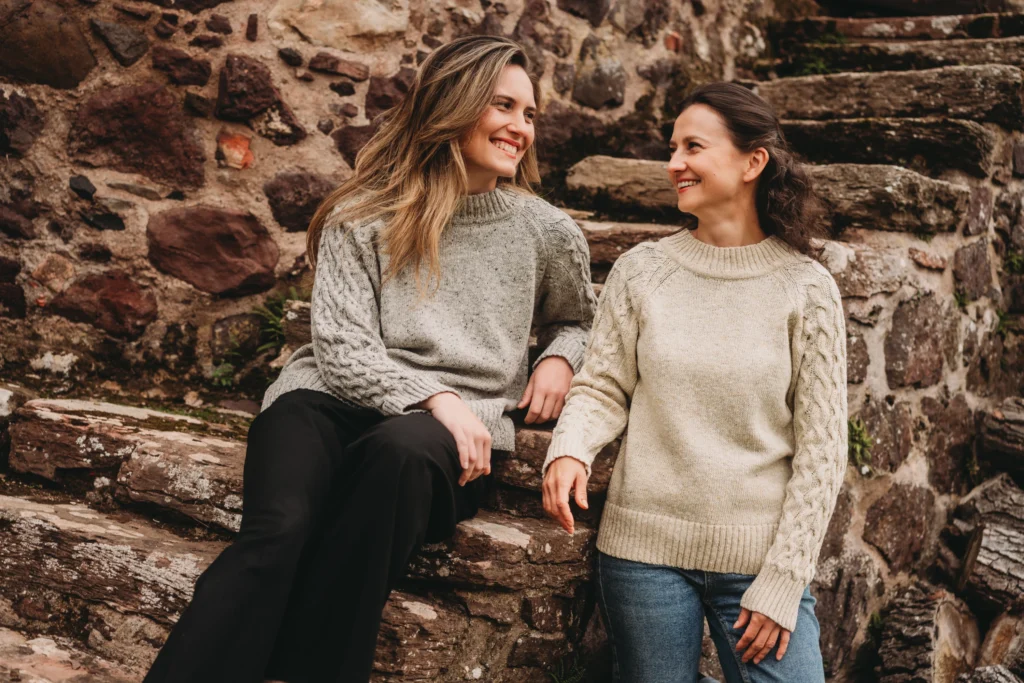
We knit all of our pieces in Edinburgh, Scotland which makes our Shetland range ‘Pure Scottish’ – about as Scottish a piece of knitwear as you can get. These are heritage pieces featuring a traditional Celtic cable and knitted in a traditional Shetland yarn but with a warmth and softness to it that we love.
Our small family business have been knitting in Scotland for nearly 50 years and we’re delighted to welcome Shetland Wool pieces back to our collection!
Shetland Wool is an incredibly natural and sustainable fibre, and is world renowned for its fineness and warmth. The wool we use is hand sourced and, to make sure that nothing is wasted, the coarser parts of the fleece are used for carpets and mats.
You might think all Shetland Wool is created equal but there are a number of factors which make Shetland Wool from Shetland Sheep living in Shetland all the more special! Shetland Sheep graze on the islands’ hills and beaches eating wild heather and seaweed. This diet, along with the not-so-great weather, makes Shetland wool soft, strong and warm.

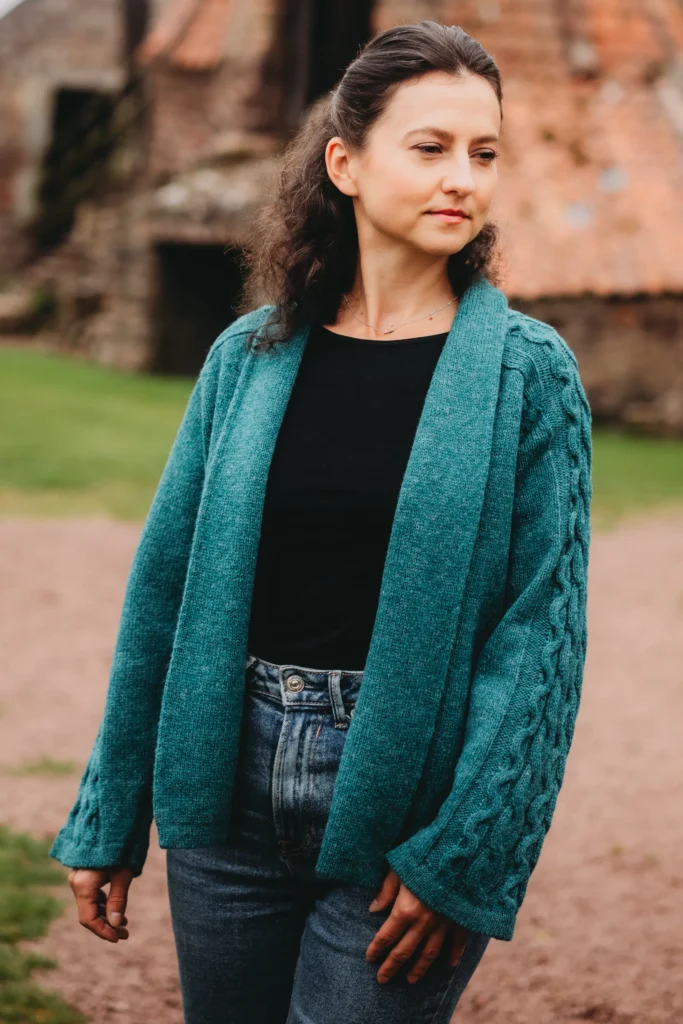
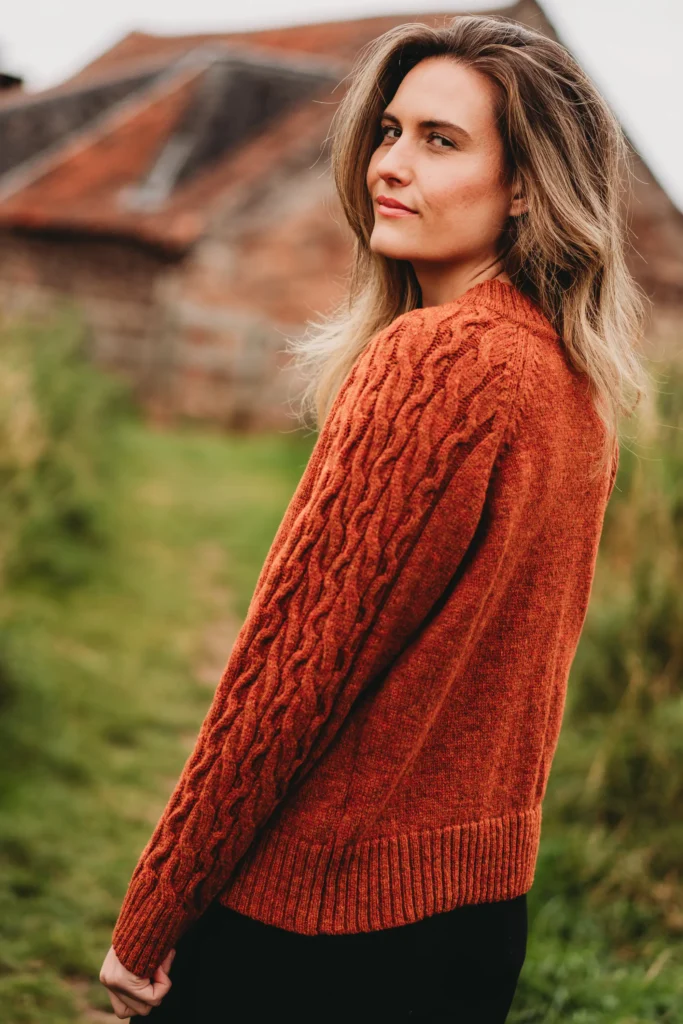
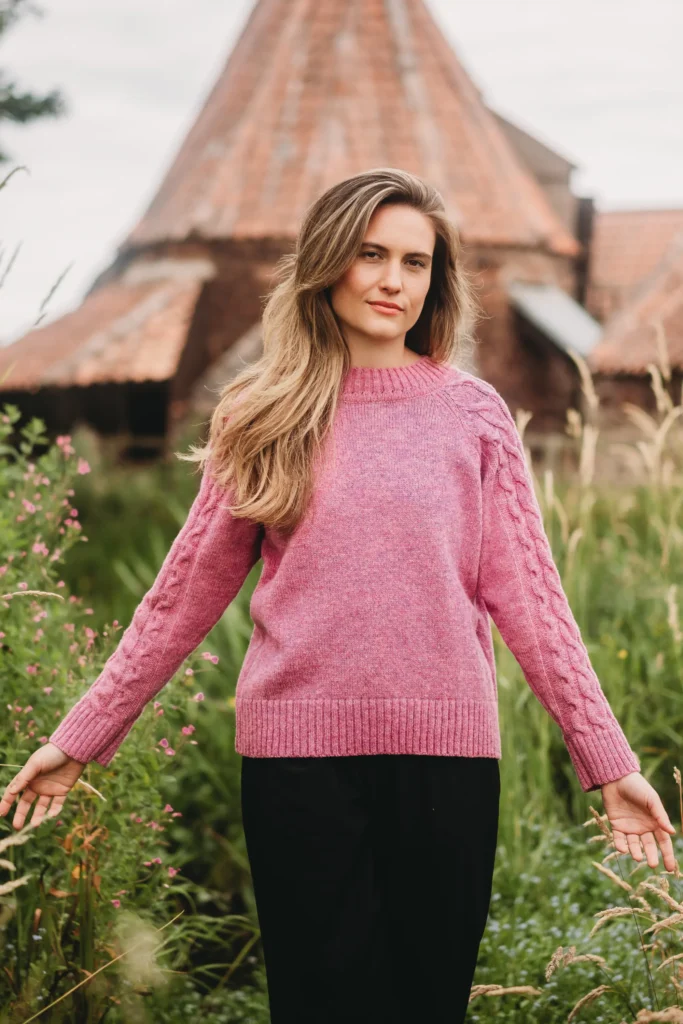
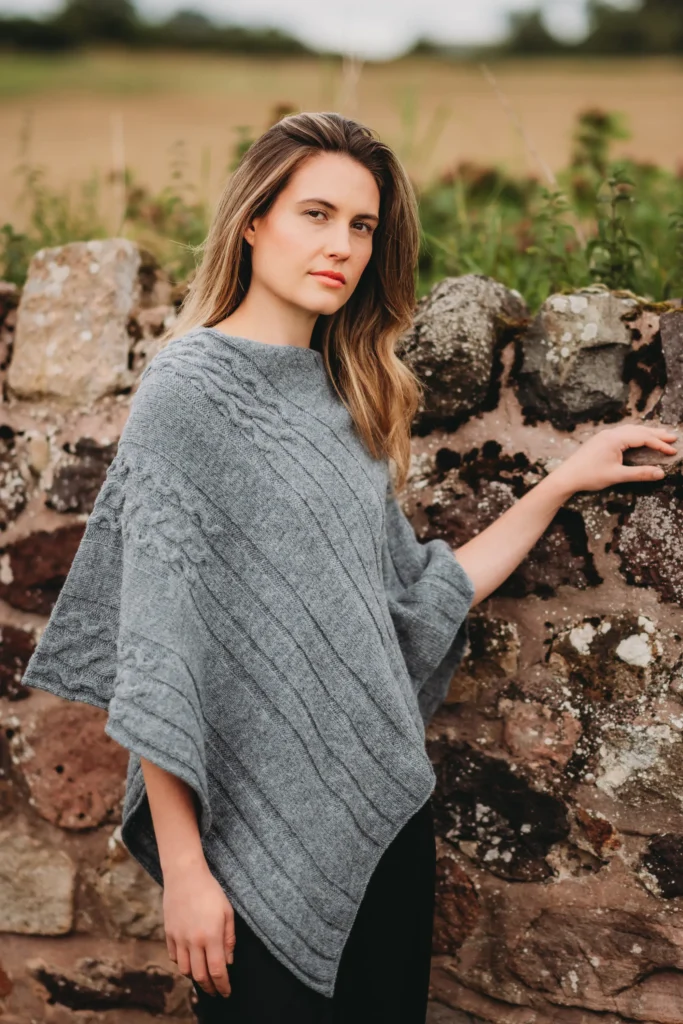







Thanks to Jamieson & Smith for use of some of their images and text in this page and obviously for the gorgeous high quality Shetland Wool they provide!
What makes Shetland Wool so special?
- The Climate: Shetland experiences a maritime climate, with cool summers, mild winters, and high levels of humidity and rain throughout the year. The consistent moisture in the air, combined with the surrounding ocean, creates ideal conditions for lush grasslands, which are the primary food source for Shetland sheep. The cool temperatures also contribute to the development of a dense, insulating fleece.
- The Terrain: The rugged, undulating landscape of the Shetland Islands provides diverse grazing grounds for the sheep. From windswept moors to sheltered valleys, the varied terrain exposes the sheep to different forage types and grazing conditions, which influences the quality and texture of their wool.
- The Vegetation: The Shetland Islands consists of a mix of grasses, heather, herbs, and other wild plants. The diverse diet of the sheep contributes to the unique composition of their wool. The nutrient-rich grasses and plants provide essential vitamins and minerals that promote healthy wool growth.
- The Isolation: The relative isolation of the Shetland Islands has led to the development of a distinct breed of sheep known for its fine, soft wool. Over centuries, Shetland sheep have adapted to their environment, evolving traits that make them well-suited to the island’s conditions, including the quality of their wool.
- Selective Breeding: Traditional husbandry practices on the Shetland Islands have focused on selecting sheep with desirable wool characteristics, such as softness, warmth, and a wide range of natural colours. Through selective breeding, Shetland sheep farmers have preserved and enhanced the unique qualities of Shetland wool.
